Understanding Sleep Hygiene Timelines: A Practical Guide to Better Sleep
A guided narrative through the sequence of nightly habits that align circadian cadence with human rhythm, inspired by a week-long structure and grounded in evidence from sleep science.
A Framework for Sleep: Why Timelines Matter
Sleep is not a singular event but a layered procession: wind-down rituals, environmental cues, and biological processes that unfold in a predictable order. The concept of a sleep hygiene timeline turns what can feel like trial-and-error into a deliberate rehearsal. By arranging practical steps into a sequence—starting with a consistent bedtime, moving through environmental tweaks, and culminating in post-sleep reflection—you cultivate a stable rhythm that your body learns to anticipate. This approach aligns with what researchers describe as circadian rhythm entrainment: when signals from light, activity, and temperature reward the brain with predictable patterns of sleep and wakefulness.
In this article, we translate a blueprint for better sleep into a gentle, week-by-week progression. The aim is not to enforce rigidity but to provide a reliable scaffold that readers can tailor to life’s irregularities—children’s bedtimes, shift work, or travel—without sacrificing the core discipline that makes the cadence meaningful.
Week by Week: A Practical Sleep Hygiene Timeline
Phase I: Foundation (Days 1–3)
- Establish a fixed bedtime and wake time, even on weekends. Aim for consistency within a 15–30 minute window.
- Set up the sleep environment: dim lights, cool temperature, and minimal noise. Consider blackout curtains and white noise if needed.
- Wind-down ritual: 30–45 minutes before bed, switch from stimulating activities to calming routines—dimmed lighting, light reading, or a brief mindfulness exercise.
Phase II: Cues and Comfort (Days 4–5)
- Consider light exposure patterns: morning light to anchor wake time; minimize blue-light exposure after dusk.
- Adopt a consistent pre-sleep routine that signals the brain it is time to wind down: warm bath, gentle stretching, or a short, quiet ritual.
- Optimize bedding and sleepwear to suit your climate and personal comfort, recognizing how fabrics and textures influence sensory ease.
Phase III: Stewardship (Days 6–7)
- Keep a simple sleep diary for one week. Note bedtime, wake time, perceived sleep quality, and any awakenings.
- Review caffeine, alcohol, and meals close to bedtime. Experiment with trimming late-intake windows to observe effects on sleep onset and continuity.
- Reinforce the routine with a mild morning ritual: light exercise, a glass of water, and a brief plan for the day. A consistent morning signal helps stabilize the entire cycle.
Key Concepts in Sleep Hygiene Timelines
1) Circadian Rhythm Alignment: The body’s 24-hour clock responds to cues—most powerfully light exposure and meal timing. By aligning activities with this clock, you reduce wakefulness at night and promote smoother sleep onset.
2) Sleep Stages and Timing: Sleep comprises light sleep, deep sleep, and REM. A well-structured night supports the natural distribution of these stages, fostering restorative processes and memory consolidation.
3) Environment as a Temporal Cue: Temperature shifts, lighting levels, and acoustic surroundings act as time cues. A cooler room, dim lighting, and consistent bed setup help train the brain for sleep signals at the expected hour.
Intersections with Sleep Science: A Nod to Historical Figures
In shaping modern sleep hygiene timelines, we draw inspiration from three influential individuals whose work spanned disparate eras and disciplines, illustrating how sleep’s understanding has evolved from anecdotal wisdom to empirical inquiry.
1) Jean-Jacques d’Ortous de Mairan (1689–1771)
Paradox of plant rhythms, early chronobiology
Although not a sleep scientist by trade, de Mairan’s experiments on daily plant cycles quietly prefigured the idea that rhythms extend beyond human experience. His curiosity about the persistence of daily patterns laid a foundational ear—an intuition—that the body and environment move in concert. In a sleep-hygiene timeline, this echoes the instinct to synchronize bedtime routines with a regular cadence, acknowledging that rhythm persists even when we attempt to vary the schedule.
2) Nathaniel Kleitman (1895–1956)
Pioneer of sleep research and circadian studies
Kleitman’s pioneering investigations into the architecture of sleep—its stages, duration, and variability—redefined late-night habits. He transformed sleep from a passive retreat into an active subject of scientific inquiry. A modern sleep-hygiene timeline borrows the discipline of observation: track when sleep begins, how long it lasts, and how environmental adjustments alter the course of a night’s rest. The practice of diary-logging and week-long planning aligns with Kleitman’s insistence on empirical note-taking as the engine of understanding.
3) Rosalind Cartwright (b. 1929)
Sleep, mood, and cognitive-behavioral perspectives
Cartwright’s work on sleep disorders and cognitive approaches to insomnia foregrounded the interplay between sleep, mood, and behavior. Her perspective underscores the value of structured routines, cognitive reframing of sleep worries, and behavioral techniques—precisely the kind of sequenced approach that a Sleep Hygiene Timeline makes accessible. The timeline becomes a tool for gradual adjustment, inviting readers to reframe sleeplessness as a modifiable pattern rather than an immutable fate.
A Practical, Editorial Tone for Everyday Sleep
The aim is clarity without pedantry, a tone fit for the page as for the pillow—calm, exacting, and candid. In the spirit of The New Yorker, this article threads observation, nuance, and a touch of literary grace through the practical mechanics of bedtime routines, micro-habits, and the quiet triumphs of routine. The voice acknowledges that life intrudes on plans; the strength of a timeline lies in its gentle flexibility rather than rigid discipline.
Readers will find a sequence that is not merely prescriptive but narrative: a bedtime arc, a wind-down ritual, a retreat to a sleep-conducive environment, and finally a morning re-entry into the day with a sense of refreshed possibility. The timeline invites readers to notice what helps them fall asleep faster, stay asleep, and wake with clearer perception—rooted in circadian alignment and the body’s natural sleep architecture.
A Minimal Product Touch: The Celine Bed End in Context
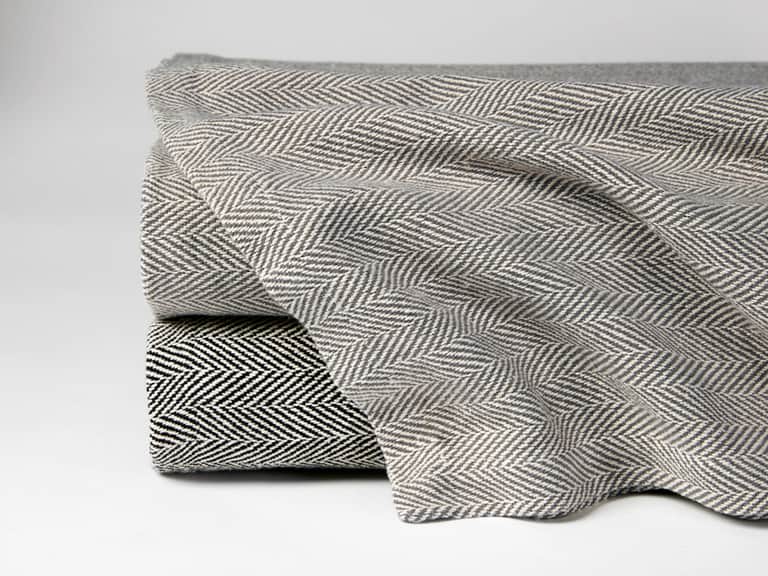
A conceptual companion to a sleep hygiene framework is the tactile, textural world of bedding—where comfort and atmosphere meet routine and ritual. The Celine Bed End, a brushed-cotton bed-end piece from Sferra, offers a refined edge to the bed that anchors not just the linens but the cadence of bedtime itself. Its herringbone weave, plain hem, and Portuguese craft speak to a sensory stage—an aesthetic cue that signals the hours of winding down. While not a direct “tool” for sleep, it embodies the environment as a time cue: a tangible reminder that the night’s routine is about more than hours slept; it’s about the ritual of the bed as a sanctuary.

Celine Bed End
Brushed cotton, herringbone weave
A tactile punctuation to the sleep environment, crafted in Portugal from 100% cotton. It sits at the bed’s edge to add refined texture and a sense of ceremony to the nightly wind-down.
This integration of product and process exemplifies how a curated room can support a sleep hygiene timeline. The bedding becomes an ongoing companion of the routine—an anchor that signals the brain that night is unfolding, not merely happening.
Putting It Into Practice: A Simple Starter Kit
To jump-start a Sleep Hygiene Timeline, consider assembling a compact starter kit that covers environment, routine, and tracking. The idea is to reduce friction: one-click wind-down, one reliable bedtime, and one quick method to observe progress. Here is a compact shopping-list-inspired blueprint that aligns with the content discussed above:
- Smart lighting or dimmable lamps that ease the shift toward darkness at the designated wind-down time.
- Breathable linens and comfortable bedding (such as the Sleep and Beyond Organic Cotton Percale Sheet Set) to ensure tactile ease as you prepare for sleep.
- A simple sleep diary or notebook to capture bedtime, wake time, nocturnal awakenings, and subjective sleep quality.
- A calming ritual kit: a warm bath, a short reading selection, a moment of mindfulness or journaling.
As you begin, document your observations for one week. Note what changes yield faster sleep onset, how long you stay asleep, and how refreshed you feel in the morning. The goal is to discover a reliable rhythm that travels with you through life’s ebbs and flows.
Closing Thoughts: Sleep as a Life Timeline
A sleep hygiene timeline reframes nightly rest from a vague concept into a structured, narrative practice. It invites readers to consider not only what they do at night but the sequence in which those actions occur. The cadence matters because the brain learns from the predictability of cues—the light dimming, the soft texture of sheets, the closing of a book, the warmth of a receding room—and responds by easing into sleep with less struggle and more grace. In this sense, sleep becomes a personal timeline—an ongoing story written in minutes and breaths, a rhythm patient enough to endure, and practical enough to sustain.
And so, with a gentle hand on the clock and a calm mind ready for tomorrow, you enter a nightly cadence that honors the centuries of curiosity that brought us here—from de Mairan’s early chronobiology questions to Kleitman’s rigorous sleep architecture mapping, to Cartwright’s behavioral insights that link thoughts with rest. The timeline is yours to author, one week at a time, one night at a time.
A Final Note on Credibility and Sources
This guide draws on the broader corpus of sleep science and clinical guidance that emphasizes consistent schedules, environmental optimization, and reflective self-monitoring. Readers are encouraged to consult peer-reviewed literature and credible guidelines from sleep research organizations for deeper dives into circadian biology, sleep apnea screening, and insomnia interventions. The timeline is a practical, approachable scaffold designed to empower everyday readers to improve their sleep with methods that are grounded in science and tempered by daily life.
Product Spotlight

Celine Bed End
From Sferra • 100% cotton
Brushed cotton yields plush texture in a herringbone weave. Designed to sit at the edge of the bed, finishing the room with refined texture.
Price: $124.00

Sonno Notte Comfort Mattress Topper
Made to order in the USA • Cashmere, silk, wool with gel foam
A layered topper that blends luxe natural fibers with breathable foam for structured support, topped by silk damask ticking.
Price: $890.00
Further Reading and Resource Links
For readers who wish to explore sleep science more deeply, consider foundational texts on circadian biology, behavioral sleep medicine, and the historical evolution of sleep guidelines. The timeline approach translates complex science into actionable steps, inviting both curiosity and discipline in equal measure.