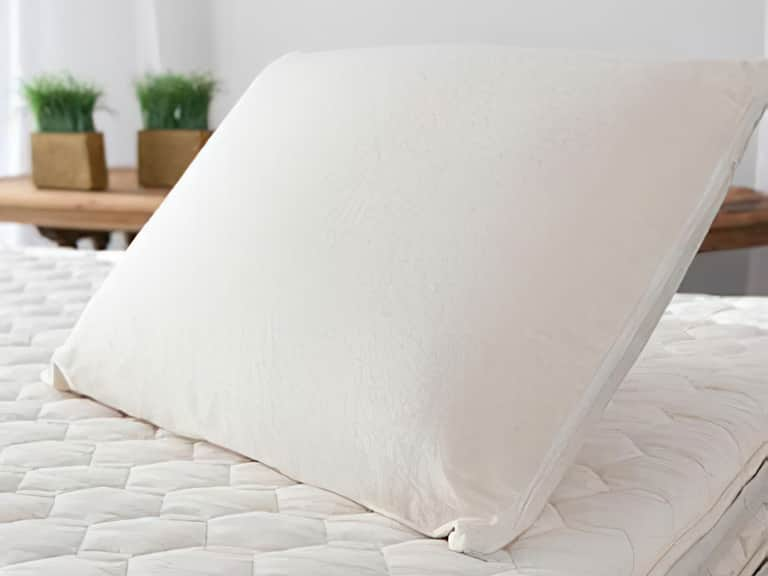
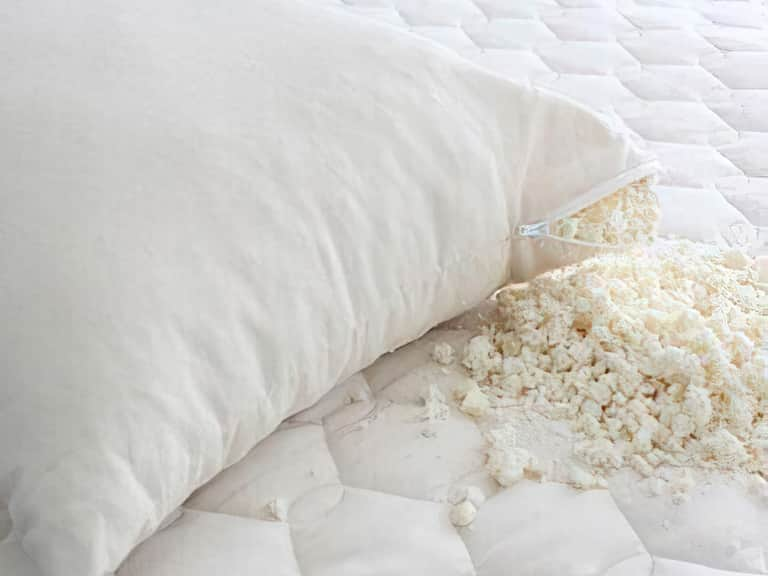
Latex, derived from the sap of rubber trees, offers a resilient and breathable material ideal for sleep surfaces and accessories. In bedding contexts, latex supports consistent alignment by contouring to body pressure while maintaining buoyant lift. Its natural elasticity helps reduce motion transfer, contributing to a stable sleep environment without excessive sinking.
Within the latex category, materials like latex foams and latex blends are valued for durability and shape retention. Latex typically resists dust mites and is resistant to mold and mildew when properly ventilated. These properties can enhance long-term sleep quality by promoting a healthier, low-allergen bedroom setting for many sleepers.
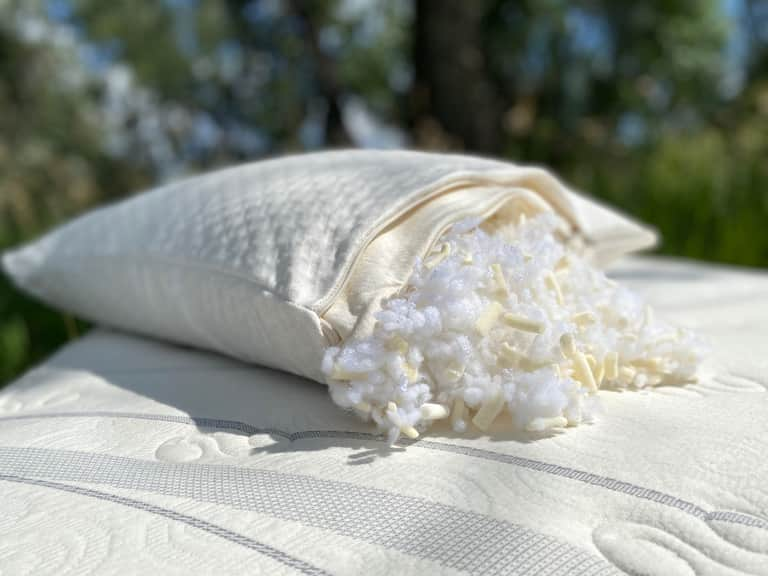
Product descriptions such as the Suite Sleep Shredded Latex-Tencel™ Blend Pillow illustrate how latex can be combined with breathable fabrics to optimize comfort. Shredded latex promotes customizable loft, while Tencel™ provides moisture-wicking, temperature-regulating properties. Together, they support proper neck and head alignment during rest.
In practical terms, latex bedding materials are popular for their hypoallergenic potential, resilience, and consistent feel. The blend with natural fibers like Tencel™ can improve airflow and surface coolness, making latex pillows and related items suitable for varied sleep preferences and climate conditions while maintaining durability over time.
Key features to consider include density, firmness levels, ventilation, and care requirements. Latex components often require simple maintenance to preserve loft and resilience, with attention to washing guidelines for pillow covers and inner cores. Understanding these attributes helps align product choices with personal comfort needs and sleep wellness goals.
 Bedding